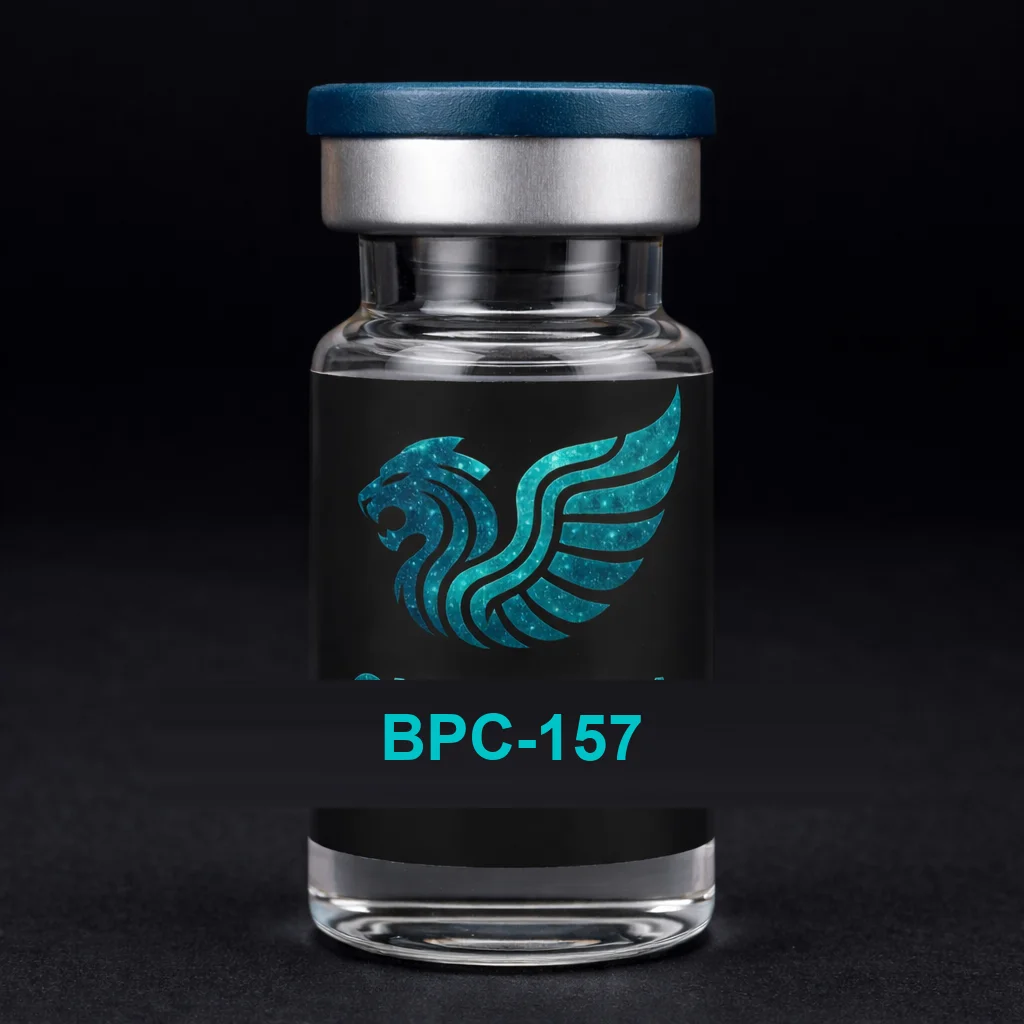
BPC 157 at Chimera Peptides
BPC 157 is part of the growing catalog at Chimera Peptides, where researchers can explore compounds organized by clear category intent, easy navigation, and stronger topical relevance. BPC 157 (Body Protection Compound 157) – Healing Peptide BPC 157 is a synthetic pentadecapeptide (15 amino acids) derived from human gastric juice protein BPC. It is stable in gastric juice and exhibits remarkable tissue healing properties. This product sits inside our muscle growth & recovery collection, making it a relevant option for researchers looking into repair, resilience, training recovery, body composition, and performance support. Rather than relying on thin product copy, this page is designed to give visitors a fuller overview of BPC 157, how it fits into broader recovery and performance research, and where it belongs inside a well-structured peptide catalog built for long-term SEO strength and user trust.
What is BPC 157?
BPC 157 is a research compound that continues to attract attention because of the specific pathway interest surrounding it. BPC 157 (Body Protection Compound 157) – Healing Peptide BPC 157 is a synthetic pentadecapeptide (15 amino acids) derived from human gastric juice protein BPC. It is stable in gastric juice and exhibits remarkable tissue healing properties. While every research model is different, many visitors arrive on this page looking for a clearer overview of what BPC 157 is, why it appears in peptide discussions, and how it compares with neighboring compounds in the same category. That is why this page is written to do more than simply display a product title. It helps connect the product to the broader topic cluster around muscle growth & recovery, which makes the page stronger for both users and search engines.
At Chimera Peptides, we believe individual product pages should support the full site architecture. A strong product page explains the compound, reinforces topical relevance, and guides the visitor toward related resources without becoming repetitive or over-optimized. For that reason, the BPC 157 page supports both commercial intent and topical authority by keeping the focus on research context, category alignment, and internal linking that makes sense.
Why researchers look at BPC 157
Interest in BPC 157 is typically connected to repair, resilience, training recovery, body composition, and performance support. In practical SEO terms, this means the page should naturally speak to the intent behind the search instead of just repeating the product name. this area attracts attention from researchers studying tissue support, recovery speed, performance output, and the broader repair response. That broader context matters because Google increasingly rewards pages that fit into a meaningful topical cluster rather than existing as isolated product listings with little supporting relevance.
For visitors comparing multiple compounds, BPC 157 can be understood as part of a larger product ecosystem. Strong product pages help users move from general category pages to specific compounds and then toward neighboring products when comparison is useful. That flow reduces bounce risk, improves internal linking, and strengthens the overall authority of the site. It also gives this page a better chance to rank aggressively but safely by balancing exact-match relevance with semantic depth.
BPC 157 inside the Muscle Growth & Recovery category
Because BPC 157 belongs to the Muscle Growth & Recovery category, it should not stand alone. It works best when it is supported by contextual links and category-level relevance. A healthy product page mentions the surrounding topic cluster, connects back to the homepage, and points users to related options that share similar intent. This helps search engines understand the relationship between products while giving users a smoother path through the catalog.
Researchers exploring this section of the site may also want to review related products in the same category. You can continue browsing with BPC 157 + TB500 and CJC-1295 no DAC for a broader view of nearby compounds. Internal links like these support stronger category depth and create a better user experience than leaving each product page disconnected from the rest of the catalog.
Why this product page is built for stronger SEO
A product page can rank more aggressively when the content is unique, relevant, and clearly mapped to a single keyword target. For this page, the focus keyword is BPC 157. That keyword appears naturally in the title, headings, body copy, and supporting metadata, but it is not forced into the text unnaturally. This is important because over-optimization can weaken trust and make a page look thin or manipulative. Safe SEO works best when the product keyword is supported by useful context, related terms, and a strong site structure.
This page also helps support broader site performance by linking back to Chimera Peptides and strengthening the topical cluster around muscle growth & recovery. When every product page does this correctly, the entire site becomes easier to crawl, easier to understand, and more likely to build authority over time. That is the difference between random product uploads and a real category-driven SEO strategy.
Shop BPC 157 with confidence at Chimera Peptides
If you are building a stronger peptide catalog, BPC 157 deserves a page that is detailed, properly structured, and integrated into the rest of the site. At Chimera Peptides, our goal is to make product discovery easier by combining clearer descriptions, category alignment, and better internal linking across the catalog. Visitors interested in BPC 157 can also browse the homepage for featured compounds, educational resources, and additional category pages that support a stronger shopping experience.
Explore Chimera Peptides to continue browsing research peptides, compare relevant products, and build a more complete view of the compounds that matter most to your category. This approach helps the page stay commercially useful while remaining aggressive but safe from an SEO perspective.