
NAD+ research compound laboratory product information
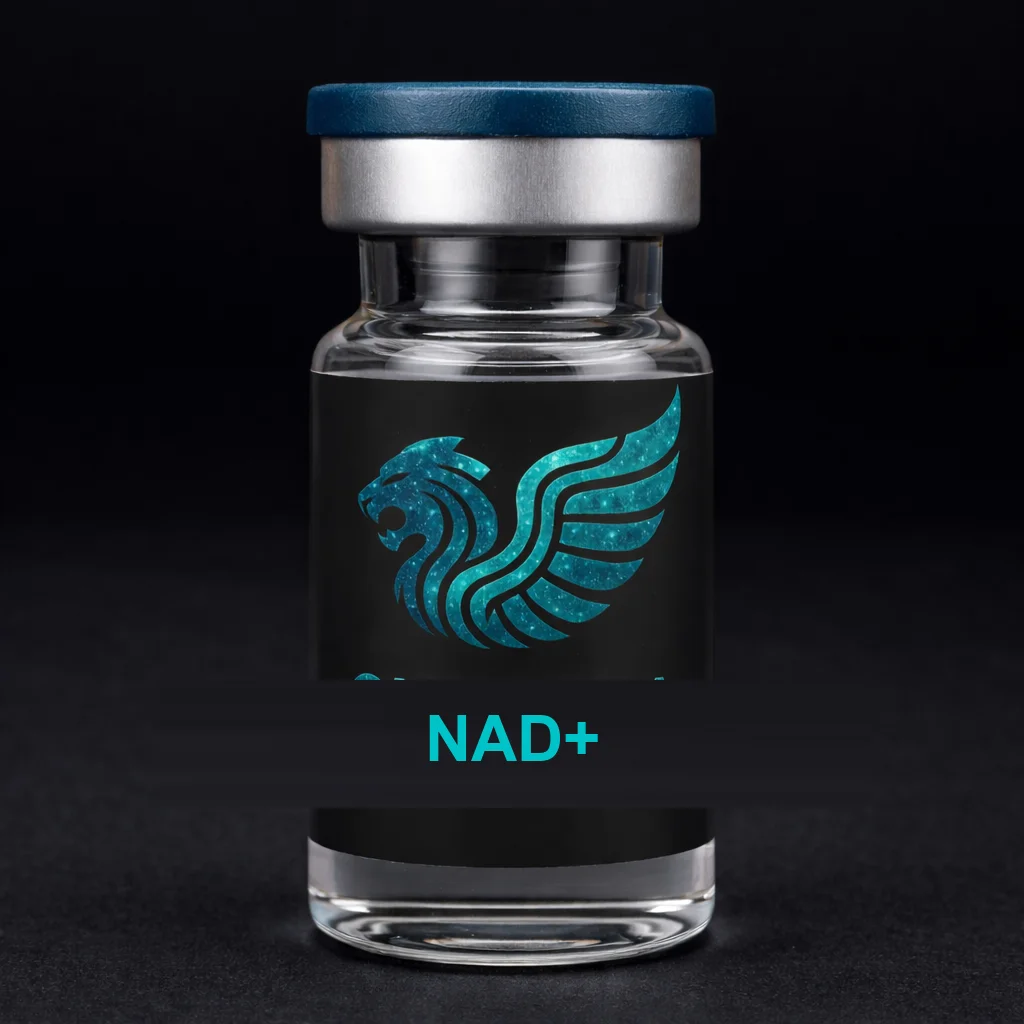
NAD+ appears in the general health research compounds catalog at Chimera Peptides. It is nicotinamide adenine dinucleotide, a cellular redox coenzyme rather than a peptide, with the page structured to help researchers identify the product, select a listed option and plan suitable controls.
Research questions
Researchers may use NAD+ when designing comparisons around redox reactions, mitochondrial metabolism, enzymatic assays, cellular energy models, and aging-related biochemistry. The page does not predict outcomes; it identifies the material and the questions that may guide responsible study design. NAD+ can be sensitive to preparation and storage conditions, so protocol records should document the supplied form and handling conditions.
Selecting the correct format
Use the listed options to distinguish NAD+ formats. Do not calculate from the product name alone when the page offers more than one amount or package size.
- 100mg x 10vials
- 500mg x 10vials
Material-control notes
NAD+ should be handled according to its own chemical and physical properties, not by automatically applying a peptide method. Record the material form, solvent system and analytical conditions used. Review any applicable material in the COA library, and do not assume that a certificate for another lot represents the item received.
For basic terminology, this external overview explains what a Peptide is. It is a background reference only and does not verify the composition or quality of NAD+.
Explore related listings
- Bacteriostatic Water — compare its identity, format and pathway relevance with NAD+ before selecting materials.
- GHK-Cu — compare its identity, format and pathway relevance with NAD+ before selecting materials.
For a practical NAD+ catalog comparison, review Bacteriostatic Water and GHK-Cu. Compare molecular or formulation identity, listed specification and relevance to the planned endpoint rather than choosing solely by category name.
Use restriction
NAD+ is not for human or veterinary use. This catalog entry supports analytical and educational research only and must not be treated as medical or consumer-product guidance.
| Select Specification |
|---|
Related products

General Health

General Health

General Health

General Health

General Health

General Health

General Health

General Health