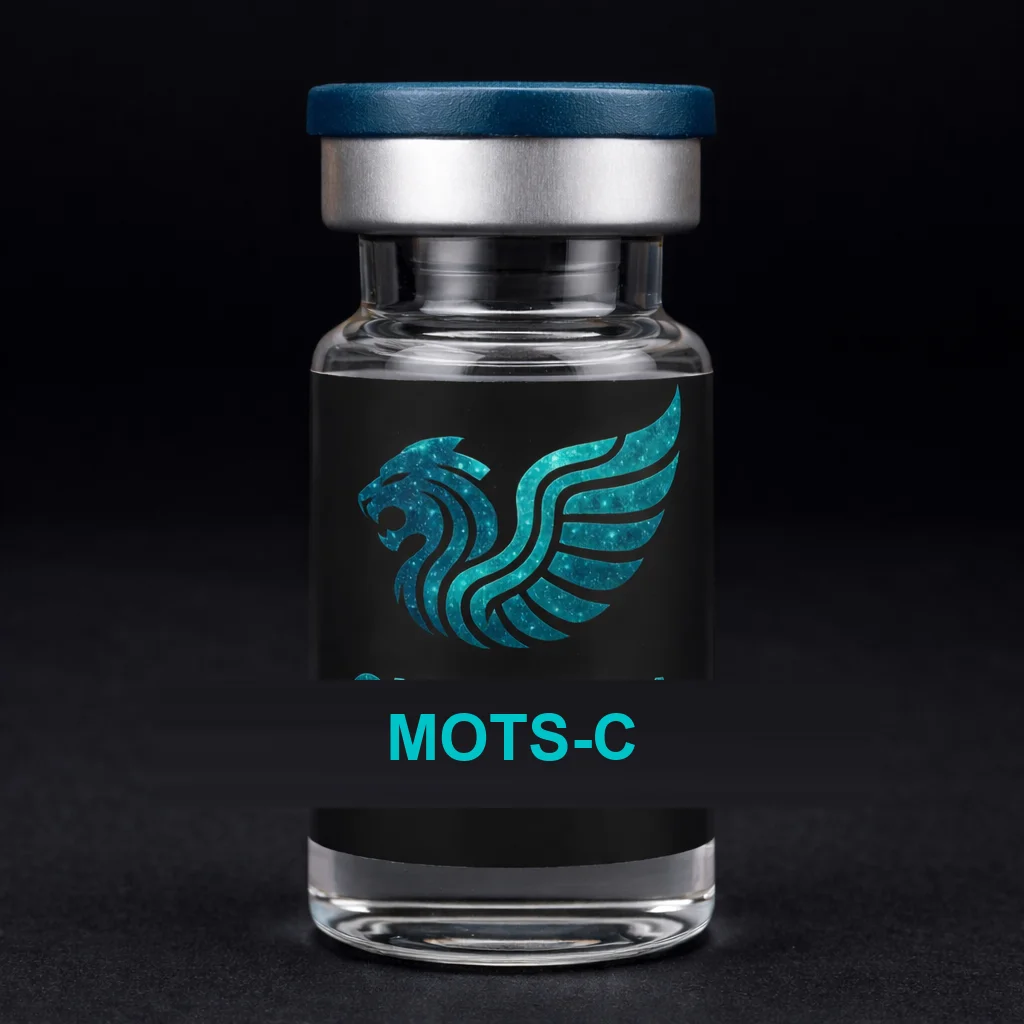


Understanding MOTS-C peptide as a research material
For research teams considering MOTS-c, Chimera Peptides provides a catalog entry centered on the supplied specification and responsible laboratory use. Scientifically, the product is a 16-amino-acid mitochondrial-derived peptide encoded within mitochondrial DNA.
Identity and study context
The scientific context for MOTS-c includes mitochondrial signaling, cellular metabolism, stress-response pathways, exercise-related models, and metabolic research. Appropriate positive and negative controls, a documented analytical method and lot-level records are essential to meaningful interpretation. MOTS-C spelling should be kept consistent across the title, metadata, image alt text, and protocol records.
For broader comparisons, browse the muscle growth and recovery research compounds category. It groups related materials around growth-factor signaling, tissue-response models, receptor activity, cellular repair pathways, and recovery-related laboratory research while keeping each product page responsible for its own specifications.
Formats in this listing
The available MOTS-c formats below are retained from the live catalog. Verify the option, unit and package count before assigning the material to a protocol.
- 10mg x 10vials
- 40mg x 10vials
Label and COA checks
For MOTS-c, confirm the exact name, listed amount, material form and lot details before preparation. Sequence or analogue terminology should remain consistent across the label, inventory and assay file. Use the COA library as a documentation resource while keeping the physical label and matching lot information as the immediate reference.
Readers reviewing MOTS-c who need a general definition can consult the external Peptide overview. Product-specific decisions must still rely on the listing, label and matching documentation.
Catalog comparisons
- BPC-157 — compare its identity, format and pathway relevance with MOTS-c before selecting materials.
- BPC-157 + TB-500 — compare its identity, format and pathway relevance with MOTS-c before selecting materials.
For a practical MOTS-c catalog comparison, review BPC-157 and BPC-157 + TB-500. Compare molecular or formulation identity, listed specification and relevance to the planned endpoint rather than choosing solely by category name.
Research-only terms
MOTS-c is for qualified laboratory research only. The purchaser must follow applicable regulations and institutional procedures; no therapeutic or self-administration information is included.
| Select Specification |
|---|
Related products

Muscle Growth & Recovery

Muscle Growth & Recovery

Muscle Growth & Recovery

Muscle Growth & Recovery

Muscle Growth & Recovery

Muscle Growth & Recovery

Muscle Growth & Recovery

Muscle Growth & Recovery